
Field Notes · April 17, 2026 · 5 min · By Rohan Chatterton
Skin care, scars, and the augmentation result
Healthy skin supports the shape and heals the incisions.
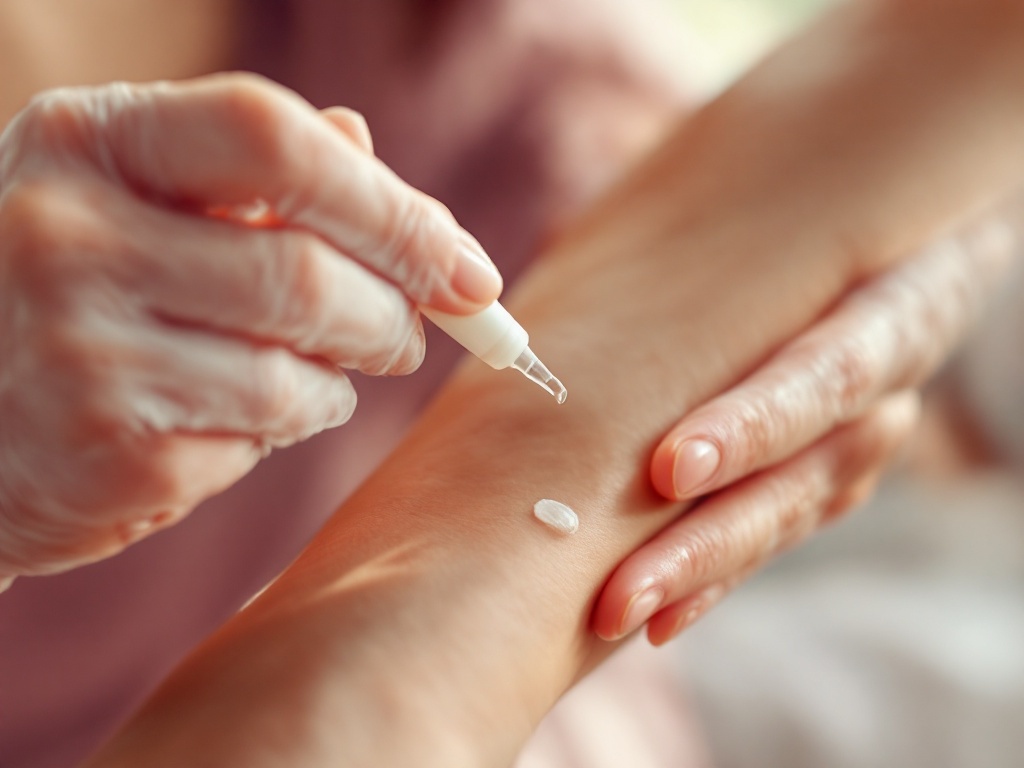
While breast augmentation is fundamentally a surgery beneath the skin, the skin enveloping the result plays a real role in both how it looks and how well the incisions heal, which is worth a patient's attention.
Elastic, healthy skin drapes smoothly over an implant and helps support the result over time, whereas compromised or over-stretched skin may sag sooner or reveal implant edges. The incision scars heal best in well-cared-for skin: protecting scars from the sun and using silicone gel or sheeting when recommended help them fade inconspicuously over the year they take to mature. Habits like smoking impair healing and work against both the scar and the overall result, which is why surgeons insist on stopping before and after surgery.
This intersection of skin health and surgical outcome is something dermatology-focused practices highlight across cosmetic care, and established surgical practices similarly emphasize meticulous technique and aftercare. The takeaway for patients is that optimizing skin health before surgery and caring for the incisions afterward are small efforts that meaningfully support the final appearance. The surgery creates the shape; healthy, well-cared-for skin helps that shape look its best and the scars fade quietly.
Related reading: Fat transfer breast augmentation: implants vs. your own fat.