
Myth Check · August 3, 2026 · 5 min · By Mateo Aldous
The 10-Year Rule: Do Breast Implants Really Expire?
The idea that implants must be swapped out every decade is one of the most repeated claims in aesthetic surgery. Here is what the devices actually do over time, and when replacement genuinely matters.
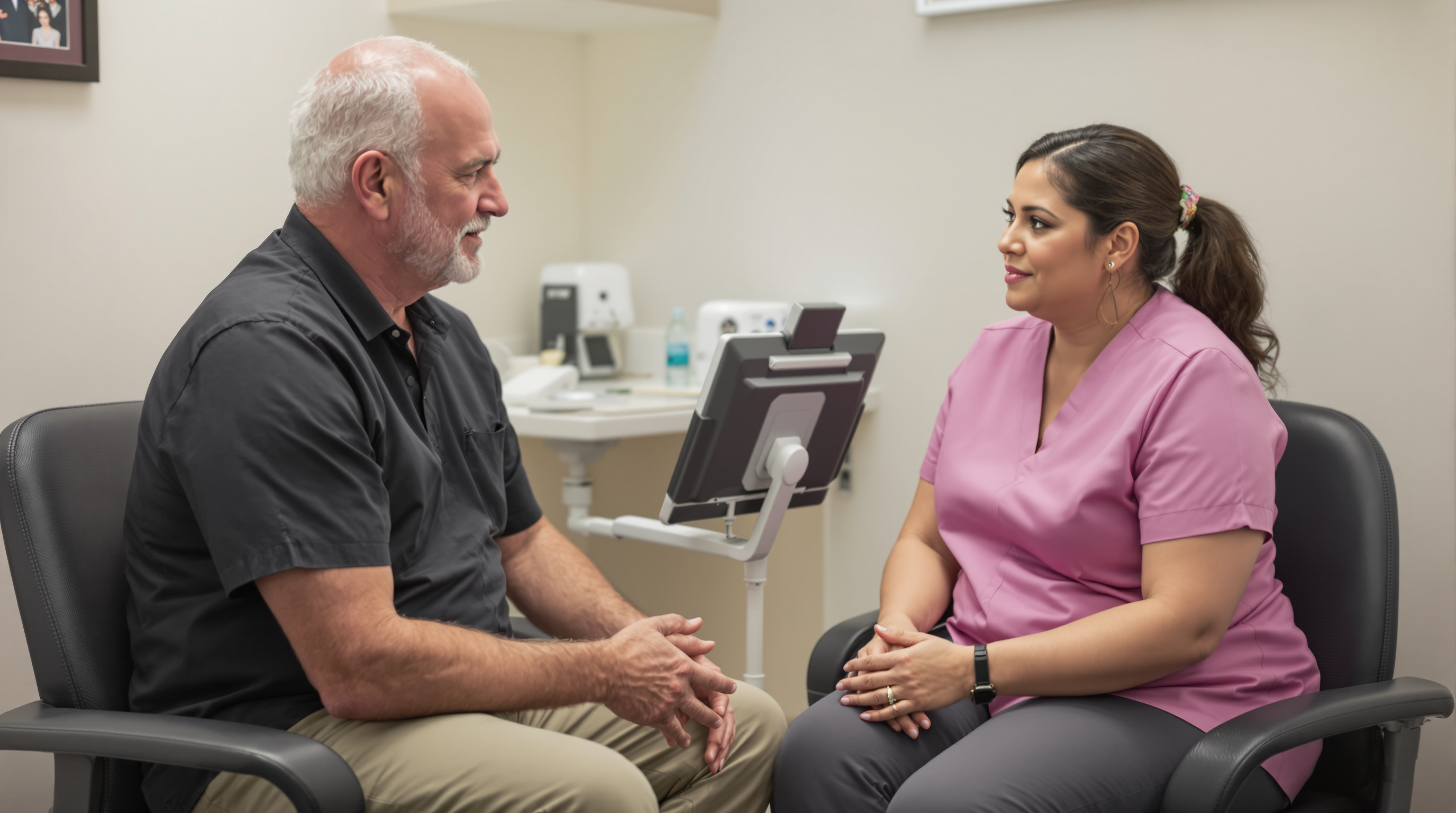
Ask almost anyone with a passing knowledge of breast augmentation and you will hear the same figure: implants last ten years, then they have to come out. The claim shows up in consultations, online forums, and casual conversation, usually stated as settled fact. It is not. There is no biological or regulatory clock that expires a breast implant at year ten, and no surgical society recommends routine removal of a device that is intact and causing no problems.
Where the number came from. The ten-year figure is a blend of two real things that got compressed into a rule. First, manufacturer warranties historically covered rupture-related replacement costs for about ten years, which made the number feel official. Second, long-term studies show that the cumulative risk of complications, including rupture and capsular contracture, rises with time in the body. Regulators summarize this by saying implants are not lifetime devices. That is accurate. It is also very different from saying every implant fails, or needs to be replaced, at a fixed date.
What actually happens to an implant over time. A silicone gel implant is a silicone elastomer shell filled with cohesive gel. A saline implant is a similar shell filled with sterile salt water. The shell is the component that ages. Repeated folding, wear against itself, and mechanical stress can eventually create weak points. When a saline shell fails, the result is obvious: the saline is absorbed by the body over days and the breast visibly deflates. When a modern cohesive silicone shell fails, the gel tends to stay in place inside the scar capsule the body builds around every implant. This is the so-called silent rupture, detectable on imaging but often not by look or feel.
What the data show about longevity. Published follow-up from large device studies suggests rupture rates for current-generation silicone implants in the low single digits per device at ten years, climbing gradually after that. Put another way, most implants placed today are still intact well beyond the ten-year mark. Some patients keep the same devices for twenty years or more without incident. Others need revision at year four for reasons that have nothing to do with shell failure, such as capsular contracture, malposition, or a change in personal preference about size.
The real reasons implants get replaced. Revision surgery is common over a lifetime, but rupture is only one driver. The more frequent triggers are: capsular contracture, where the scar capsule tightens and distorts or hardens the breast; implant malposition, including bottoming out or lateral drift; size or style change, often after pregnancy, weight change, or simply evolving taste; and cosmetic aging of the breast itself, since implants do not stop tissue from thinning, stretching, or descending. When surgeons quote lifetime revision statistics, these categories, not spontaneous shell failure, account for much of the total.
What monitoring actually looks like. For saline implants, monitoring is essentially self-evident, since deflation announces itself. For silicone implants, current guidance in the United States recommends imaging surveillance for silent rupture, typically starting around five to six years after placement and repeating every two to three years, using ultrasound or MRI. MRI remains the most sensitive tool. In practice, uptake of this schedule is low, and many patients instead rely on annual clinical exams plus imaging when something changes. The reasonable middle ground: know your device details, keep your implant card, and get imaging if you notice new firmness, shape change, pain, or asymmetry.
When removal or exchange is clearly indicated. A confirmed rupture of a silicone implant should be addressed surgically, even when symptoms are absent, because free gel and chronic inflammation inside the capsule can complicate later surgery. Significant capsular contracture, recurrent seroma, infection, or a diagnosis requiring device removal are also clear indications. Outside those situations, a patient with soft, symmetric, intact implants at year ten, or year fifteen, has no medical obligation to operate. Elective exchange is a legitimate choice, but it is a choice, with its own surgical risks, not a maintenance requirement.
The honest framing for patients. Think of implants the way you would think of any long-term medical device: durable, well studied, and monitored rather than scheduled for replacement. Plan financially and mentally for at least one additional surgery over a lifetime, because most long-term data suggest that is realistic. But do not let an arbitrary anniversary drive you into an operating room. The trigger for revision should be a finding on imaging, a change in the breast, or a change in what you want, not a birthday for the device.
The ten-year rule survives because it is simple and easy to repeat. The truth is slightly messier and considerably more reassuring: intact implants do not expire, surveillance works, and the decision to reoperate belongs to evidence and preference, not to the calendar.
Related reading: The 10-Year Replacement Rule Is a Myth: What Implant Longevity Data Actually Shows.