
Myth Check · August 2, 2026 · 5 min · By Beatriz Holmgren
The 10-Year Replacement Rule Is Not a Rule: What Implant Lifespan Data Actually Shows
The idea that breast implants must be swapped out every decade is one of the most persistent claims in aesthetic surgery. The evidence tells a more nuanced story about device durability, monitoring, and when revision is truly warranted.
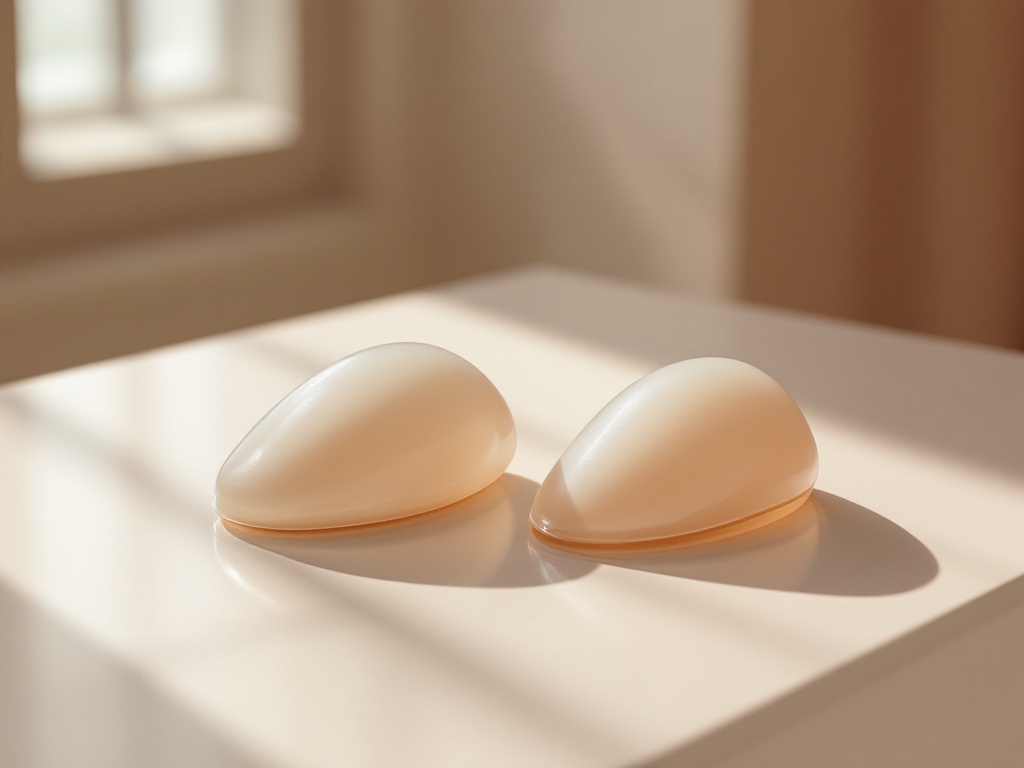
Ask almost anyone with a passing familiarity with breast augmentation and they will tell you the same thing: implants have to be replaced every ten years. The claim shows up in consultation rooms, online forums, and casual conversation, usually stated as settled fact. It is not. No major plastic surgery society, regulatory agency, or implant manufacturer instructs patients to schedule routine replacement at the ten year mark. What the evidence actually supports is a policy of monitoring and replacing implants only when there is a specific reason to do so.
Where the myth came from. The ten year figure appears to be a blend of two real data points that got flattened into a slogan. First, manufacturer warranties have historically been structured around ten year windows, which created the impression of an expiration date. A warranty period describes financial coverage, not device failure. Second, long term studies show that rupture and other complications accumulate over time, so the probability that a given implant will need attention rises with each decade in the body. Rising risk over time is not the same as guaranteed failure at a fixed point. Plenty of implants remain intact and problem free well past twenty years.
What actually limits implant lifespan. Modern implants fail through a small number of known mechanisms. The silicone elastomer shell can weaken through a process called fold flaw failure, where a persistent crease in the shell flexes repeatedly with normal movement and eventually develops a microscopic tear, similar to how a paperclip snaps after enough bending. Shell thickness, fill volume relative to shell size, and pocket dimensions all influence how much folding occurs. Saline implants announce a rupture quickly because the body absorbs the salt water and the breast visibly deflates, usually within days. Cohesive silicone gel implants behave differently. The gel is designed to hold its shape, so a shell tear may produce no visible change at all. This is the so-called silent rupture, and it is the reason surveillance recommendations exist for silicone devices.
What the long term data shows. Core studies submitted to regulators, which followed patients for roughly a decade, reported cumulative rupture rates for modern silicone gel implants that vary by manufacturer and generation but generally fall in the range of low single digits at five to six years, climbing toward the teens by year ten in some cohorts. Reoperation rates over ten years are higher, often twenty to thirty percent, but this figure includes revisions for reasons unrelated to device failure: size change requests, capsular contracture, malposition, and cosmetic dissatisfaction. In other words, the most common reason implants come out early is a decision, not a rupture.
The surveillance question. Current guidance for silicone gel implants recommends periodic imaging to screen for silent rupture, with ultrasound or MRI beginning around five to six years after placement and repeating every two to three years thereafter. MRI remains the most sensitive tool for detecting intracapsular rupture, where gel remains contained within the scar capsule the body forms around the device. Ultrasound is less expensive and increasingly accepted as a first line screen, with MRI reserved for equivocal findings. Saline implants require no imaging surveillance because deflation is self evident.
When replacement genuinely makes sense. There are clear clinical triggers. A confirmed rupture, whether silent or symptomatic, is an indication for removal or exchange because extracapsular gel migration, though uncommon with cohesive devices, becomes harder to manage over time. Significant capsular contracture, graded by firmness and distortion, often warrants revision when it causes pain or visible deformity. Malposition, rippling, or a change in personal preference are legitimate reasons as well. What does not appear on this list is the calendar alone. An intact, comfortable, well positioned implant at year ten, twelve, or fifteen does not need to come out simply because a birthday passed.
The counterargument worth taking seriously. Some surgeons do favor proactive exchange in older devices, and the reasoning is not baseless. Revision surgery on an intact implant is generally simpler than surgery after a rupture, particularly if gel has migrated beyond the capsule. Older generation implants, especially those placed before modern cohesive gels became standard, have less predictable shell integrity. For a patient already planning an elective revision for size or shape, replacing an aging device at the same time is reasonable efficiency. The distinction is that this is individualized clinical judgment, weighed with a patient, not a blanket mandate.
The practical takeaway. Breast implants are medical devices with finite but variable lifespans, and the honest framing is lifetime monitoring rather than scheduled replacement. Patients with silicone implants should keep up with recommended imaging intervals, know their implant manufacturer and model in case of recalls or registry updates, and report new firmness, shape change, or discomfort promptly. Patients with saline implants can rely largely on self observation. The ten year rule survives because it is simple. The truth, that most implants outlast the myth and that surveillance beats the calendar, is only slightly more complicated and considerably more useful.
Related reading: The 10-Year Replacement Rule Is a Myth: What Implant Longevity Data Actually Shows.