
Myth Check · July 27, 2026 · 5 min · By Beatriz Holmgren
The 10-Year Replacement Rule: What the Evidence Actually Says About Implant Lifespan
Many patients believe breast implants come with a mandatory expiration date. The reality is more nuanced, and understanding why matters for planning, budgeting, and long-term monitoring.
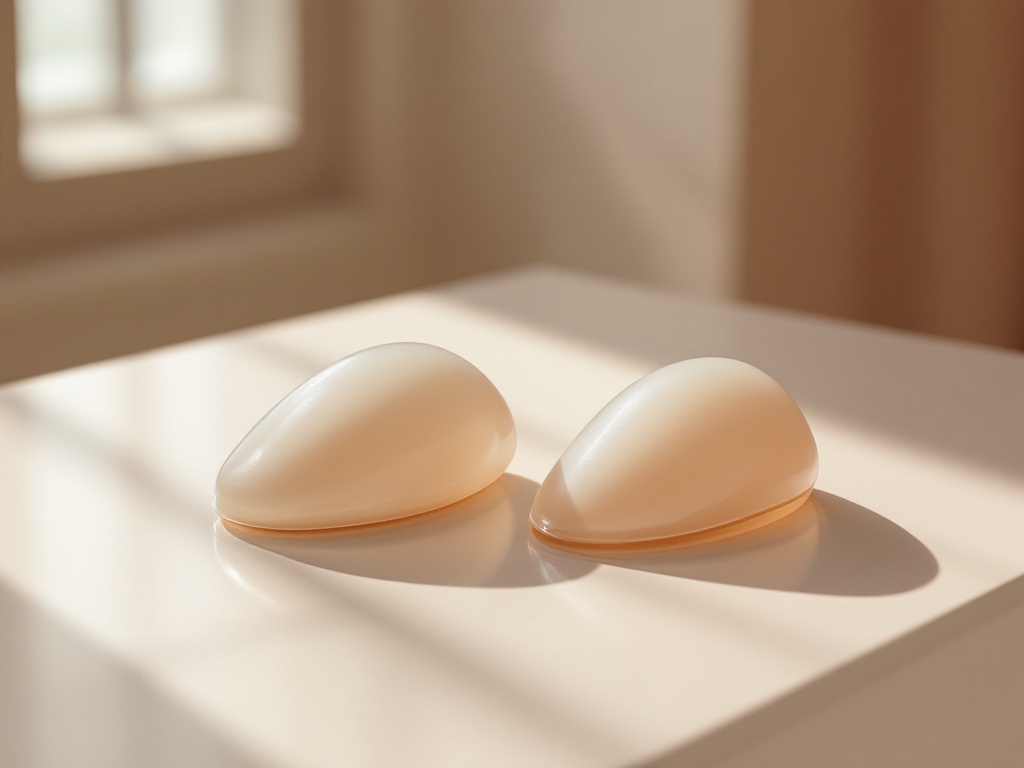
Ask almost anyone considering breast augmentation what they know about implant longevity, and the same figure comes up: ten years. The belief that implants must be swapped out every decade, regardless of how they look or feel, is one of the most persistent ideas in aesthetic surgery. It is also, according to the surgeons and device data that inform current practice, not quite accurate.
Where the ten-year figure came from
The number is not arbitrary, but it was never a replacement mandate. It traces back to two sources. First, manufacturer warranties on many silicone and saline devices have historically been structured around ten-year windows, which shaped how the timeline was communicated. Second, early rupture data on older-generation implants suggested that failure rates climbed meaningfully after the first decade. Patients and even some clinicians compressed those two facts into a simpler rule: replace at ten years.
Modern guidance is different. Regulatory bodies and surgical societies describe implants as devices with a finite but variable lifespan, not a fixed one. The standing recommendation is to replace or remove an implant when there is a problem, such as rupture, significant capsular contracture, malposition, or a change the patient wants corrected. An intact, well-positioned implant that a patient is happy with does not require surgery simply because a calendar date arrived.
What actually determines how long an implant lasts
The mechanism of implant failure is mostly mechanical. The shell, a silicone elastomer, flexes millions of times over years of normal movement. Fold flaw failure, in which a repeated crease in the shell gradually wears through, is the most common rupture mechanism in modern devices. This is why underfilled saline implants and certain fill-to-shell ratios historically failed faster: more folding means more wear.
Other variables matter too. Surgical handling at the time of placement, contact with instruments, the size of the incision the implant was pushed through, and even needle contact during later procedures can create weak points that fail years down the line. Newer cohesive gel implants use thicker, more crosslinked shells and gels that hold their shape, which is one reason contemporary rupture rates at ten years are substantially lower than those of devices from the 1990s.
Published core study data from major manufacturers generally show rupture rates in the range of roughly 5 to 15 percent at ten years depending on the device, the generation, and whether the implant was placed for primary augmentation or revision. Flip that statistic around: the large majority of implants are intact at the ten-year mark.
Saline versus silicone: different failure signatures
How you know an implant has failed depends on what is inside it. A ruptured saline implant deflates, usually within days, because the body absorbs the salt water. The change is visible and unambiguous. A ruptured cohesive silicone implant often produces no symptoms at all, which is why the term silent rupture exists. The gel typically stays within the scar capsule the body forms around the device, so the breast may look and feel unchanged.
This is the reason surveillance recommendations exist for silicone devices. Current guidance suggests imaging, typically ultrasound or MRI, starting around five to six years after placement and periodically thereafter. The goal is not to trigger replacement on a schedule but to catch silent ruptures so that removal or exchange happens on the patient's terms rather than as an emergency.
What this means for planning
A more accurate framing than the ten-year rule is this: breast implants are long-lasting medical devices, not lifetime ones, and most patients will have at least one additional operation at some point, whether for device failure, capsular contracture, size change, or aesthetic revision as the body ages. Studies of reoperation rates show that a meaningful share of augmentation patients undergo secondary surgery within ten to fifteen years, but the reasons are varied and often elective.
Practical takeaways for anyone with implants or considering them:
Do not schedule replacement by the calendar. An implant that is intact, comfortable, and looks the way you want does not need to be exchanged at year ten.
Do commit to monitoring. Annual self-checks, routine clinical exams, and periodic imaging for silicone devices are the actual maintenance plan.
Do budget realistically. Assume at least one future procedure over a lifetime with implants, and factor that into the original decision.
Do keep your device card. Knowing the manufacturer, model, and serial number matters for warranty claims and for any future surgeon.
The ten-year rule survives because it is simple. The truth, that implants last until they fail and that failure is monitorable rather than predictable, requires slightly more effort from patients. It also spares many of them an operation they never needed.
Related reading: Breast Implant Illness: What the Symptoms and the Evidence Actually Say.