
Myth Check · August 6, 2026 · 5 min · By Keiko Branham
The 10-Year Rule: Do Breast Implants Really Expire on a Schedule?
The idea that implants must be swapped out every decade is one of the most repeated claims in breast augmentation. The evidence tells a more nuanced story about device lifespan, rupture risk, and when revision actually makes sense.
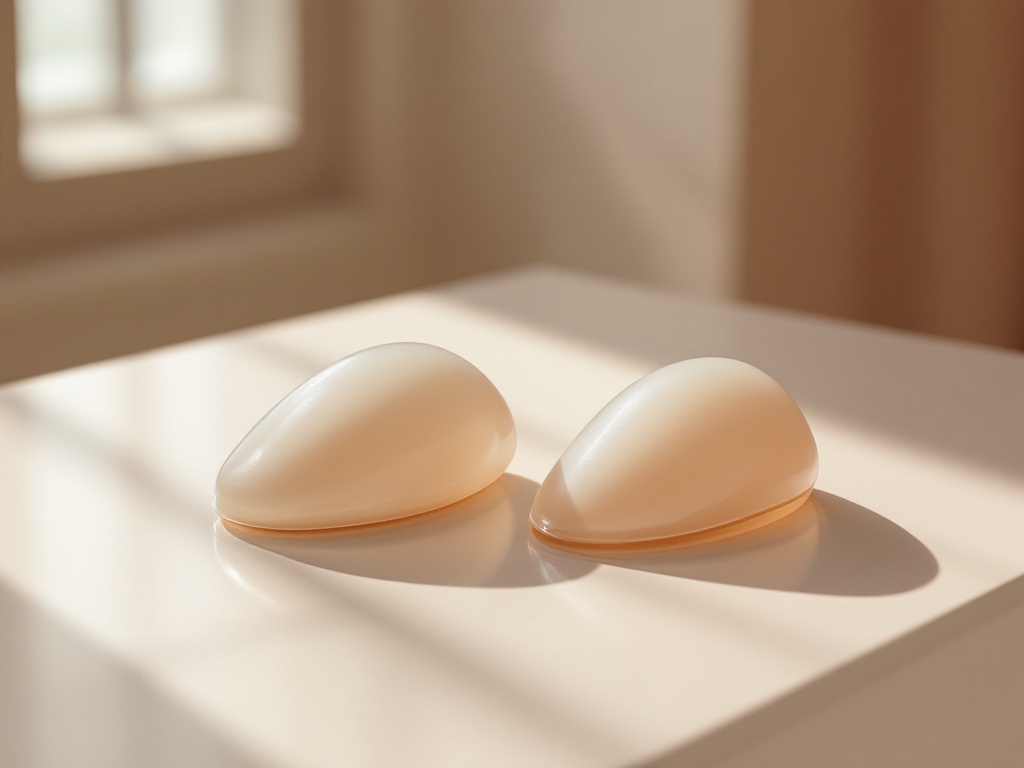
Ask almost anyone with a passing knowledge of breast augmentation and you will hear the same line: implants have to be replaced every ten years. It shows up in consultations, online forums, and casual conversation, usually stated as settled fact. It is not. The claim is a simplification that grew out of regulatory language and warranty terms, and it has drifted far from what device data actually show.
Where the ten-year figure came from
Breast implants are not sold with an expiration date. The number appears to trace back to two sources. First, manufacturer warranties have historically covered rupture-related replacement for ten years, which created the impression that the device is only trusted for that long. Second, regulators in the United States have long stated that implants are not lifetime devices and that the longer a person has them, the more likely a complication becomes. Both statements are accurate. Neither means a functioning implant must be removed at year ten.
What the rupture data actually show
Rupture risk is cumulative, not scheduled. Long-term studies submitted to regulators for modern cohesive silicone gel implants report rupture rates that rise gradually over time rather than spiking at a fixed anniversary. Across major manufacturer core studies, cumulative rupture rates at roughly ten years generally fall in the range of about 7 to 14 percent per patient depending on the device generation, the surgical indication, and how rupture was detected. Put another way, the large majority of implants are intact at the ten-year mark.
The mechanism matters here. Implant shells are made of layered silicone elastomer. Shells can fail from fold flaw fatigue, where a persistent crease in the shell weakens with repeated flexing, from instrument damage at the time of surgery that only manifests later, or from trauma. None of these mechanisms operates on a calendar. A shell with a poorly positioned fold may fail early. A shell without stress points may last decades.
Silicone versus saline: different failure signatures
Saline implants announce their failure. When the shell or valve fails, the saline is absorbed by the body and the breast visibly deflates, usually within days. Diagnosis is straightforward and the leaked contents are physiologically inert salt water.
Modern silicone implants use cohesive gel, meaning the filler holds together rather than flowing freely. A rupture can therefore be silent, with the gel remaining inside the scar capsule the body forms around every implant. This is why surveillance recommendations exist. Current guidance suggests periodic imaging of silicone implants, typically ultrasound or MRI starting around five to six years after placement and repeating every two to three years. The purpose of imaging is to catch silent rupture, not to confirm an assumed expiration.
Reasons implants actually get replaced
When revision surgery happens, rupture is often not the driver. Common real-world reasons include capsular contracture, where the scar capsule tightens and distorts or hardens the breast, a desire to change size, malposition or bottoming out, rippling, and changes in the breast itself from aging, weight fluctuation, pregnancy, or breastfeeding. In other words, most revisions address how the result looks and feels, or a distinct complication, rather than a device that has timed out.
Capsular contracture deserves specific mention because it is the complication most often confused with device failure. It is a biological response, likely driven in part by low-grade bacterial biofilm on the implant surface and by individual inflammatory tendencies. It can occur at any point, early or late, and treating it may involve capsule surgery with or without implant exchange. Again, no calendar involved.
So when should someone act?
A reasonable evidence-based posture looks like this. Keep records of the implant manufacturer, style, and serial numbers. Attend routine follow-up and perform regular self-checks for changes in shape, firmness, position, or new pain. For silicone implants, follow the imaging surveillance schedule your surgeon recommends. If imaging confirms rupture, plan removal or exchange in a non-emergency timeframe, since confirmed silicone rupture warrants surgery even when symptoms are absent. If a saline implant deflates, replacement or removal is similarly straightforward and not urgent in the emergency sense.
If the implants are intact, the breast looks and feels normal, and imaging is clean, there is no established medical requirement to exchange them at ten years, or at any preset interval. Elective replacement of a well-functioning device carries its own surgical and anesthetic risks and should be weighed like any other operation.
The bottom line
Breast implants are durable but not permanent, and the honest framing is probabilistic: complication risk accumulates with time, so lifelong monitoring is part of the deal. The ten-year rule is best understood as shorthand for that reality, not a literal deadline. Replace an implant because there is a confirmed rupture, a symptomatic complication, or a result you want to change, not because a warranty period ended.